home is a direction
Teaching Philosophy
My approach to movement nourishes students ready to take embodied, inter-disciplinary, experimental approach to artmaking and supports dance artist scholars on their journey towards choreographing compassionate futures. The outcome: deep conversation around process, interdisciplinary projects, recitals, student/faculty multi- media collaborations. I create spaces that support open ended questions, a gradation of pedagogical approaches and movement techniques that encourage each student to expand their set ideas and knowledge of movement through collaboration. I love the rigor of sport, the precision of Horton, the rise and fall of Limón. I impart these highly technical foundations through listening and imaginative practices. I utilize the listening involved in Authentic Movement, the sensitivity and focus required in Pauline Oliveros scores and Viewpoints work, the communal aspects of contact improvisation, the deep tuning to anatomical and imaginative systems found in Body Mind Centering, the vivid languaging or efforting found in Laban and Bartenieff Fundamentals that allows for effective rehearsal processes in theatre and dance.
The classroom is a daily formation of a community- a site to encourage embodied and ethical humans that will set out from undergraduate work and attend to making and participating in the world at large. Assignments are deeply reflective and call upon each student’s own history in relation to the materials being presented. In this way, an individual’s understanding of the materials, and their own perspective they are bringing to each situation are seen and valued. Materials are often tried out/investigated in partnership- delicate and purposeful pairings of students with different skillsets- knowledge is shared, taught, passed back and forth peer to peer.
Dance is a series of meaningful social interactions that always position oneself in relation to the world, whether that be far outside or well within the known public space. Dancing involves invention, a manifestation and immediate articulation of options. In Dance Studies: Global Perspectives, I bring in artists from our community to teach their art form (Flamenco, Kathak, Afro-Carribbean). We look at Super Bowl choreography and performance, meaning making unfolding on American soil, right now. We practice seeing dance as both a cultural product (written descriptions of dancing) and a practice (the act of learning to see, learning to move.)[1]
We practice trust, both in individual and collective decision making. We let go of hand raising, activating peripheral vision, holding conversation by seeing each other. We choreograph a space of facilitation, formations for facilitation related to power structures visible and not seen. We all pass through three roles a dance space offers: leader, follower, witness. Alongside technical practice, we learn history, watch what the early works of Limon or Horton were like. Experiential anatomy (pictures and skeleton) guides us through technical concepts. We often work without mirrors, moving from the place where deep anatomical research and imagination meet. Excavating interior worlds, building deep trust in self and in each other makes way for bright, embodied dancer performers, crafting an interior/exterior home. Home as a direction for making.
[1] Quoted from a Moving History/Dancing Cultures, a compilation of essays that we will engage with throughout the term.
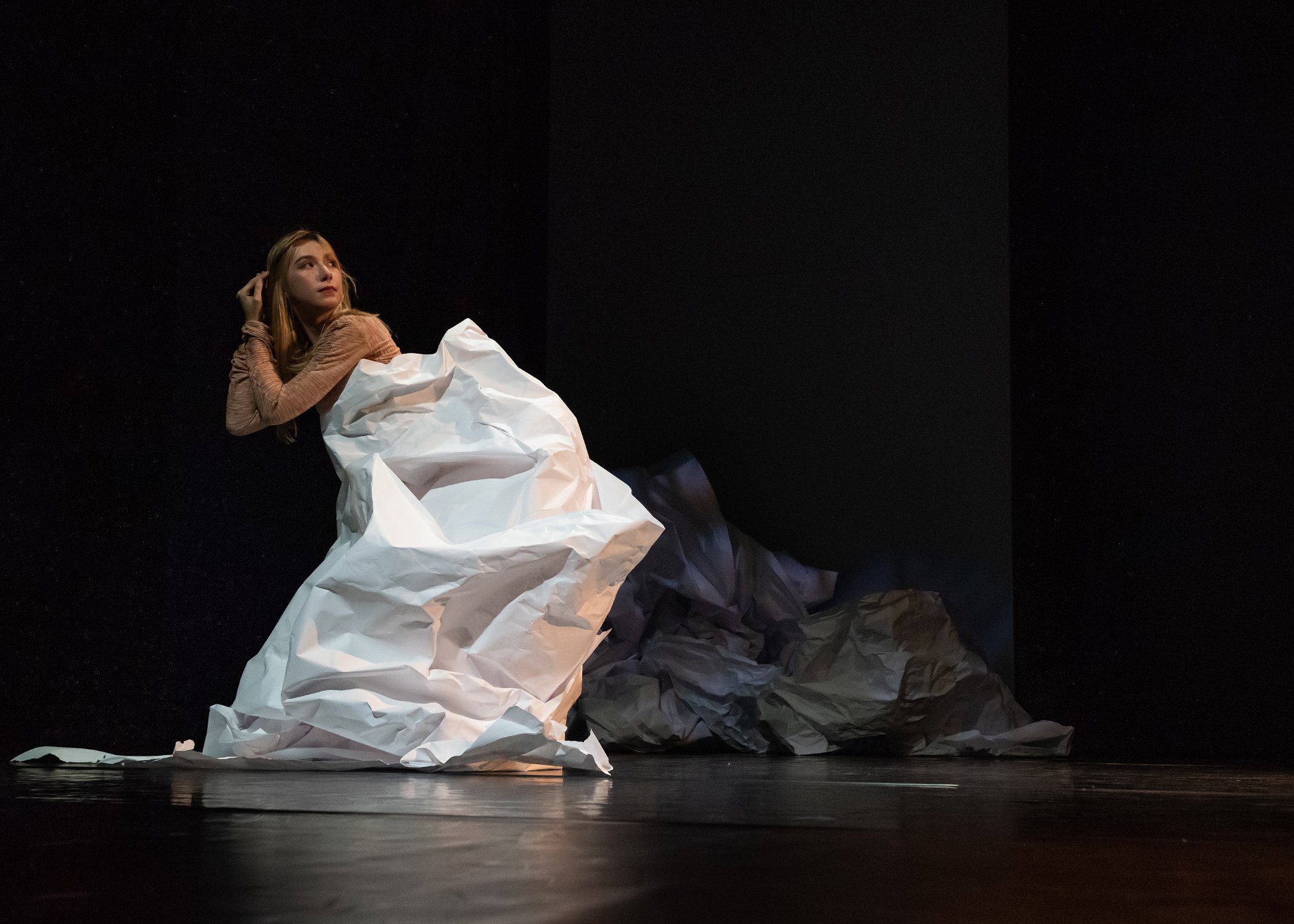
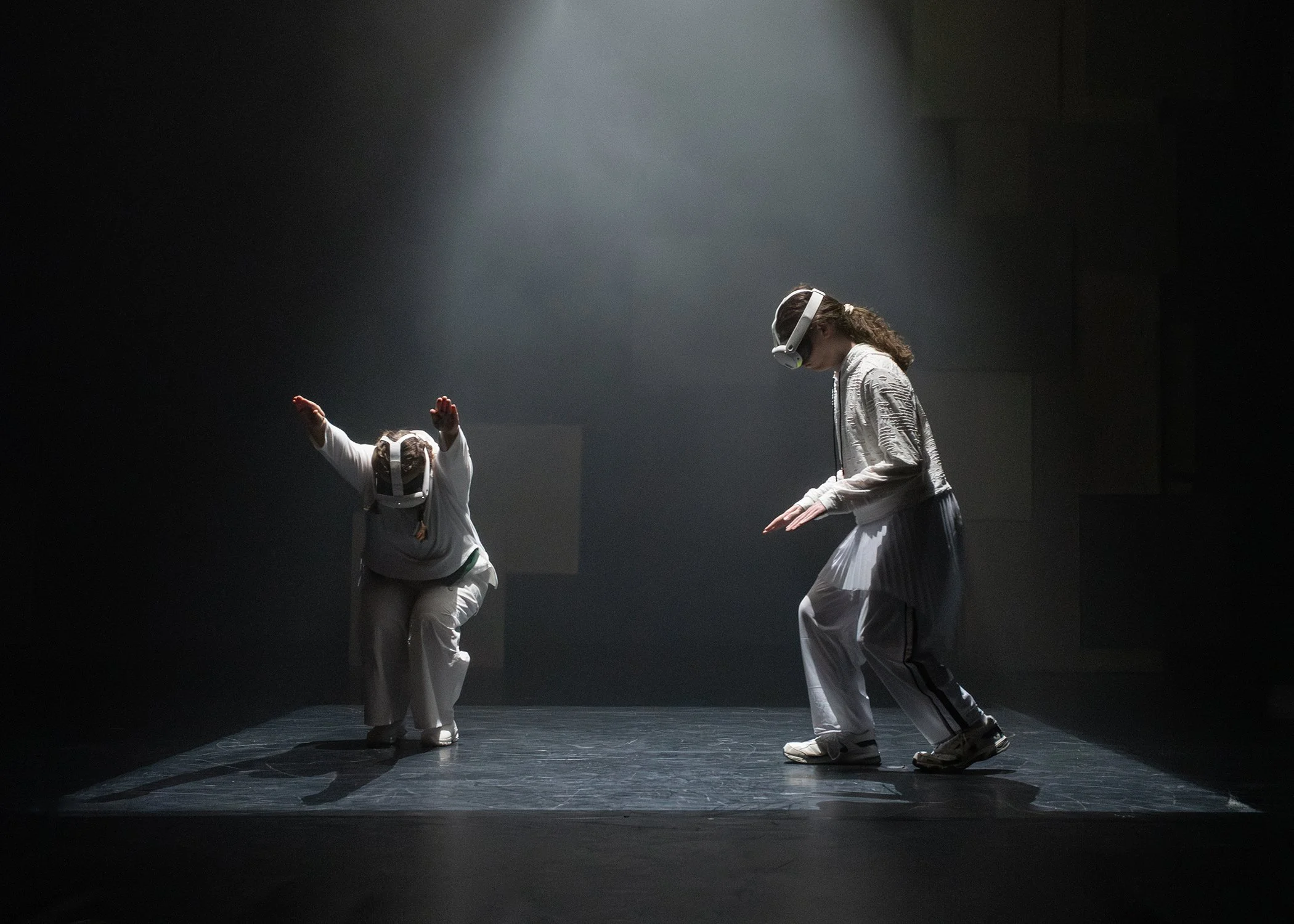
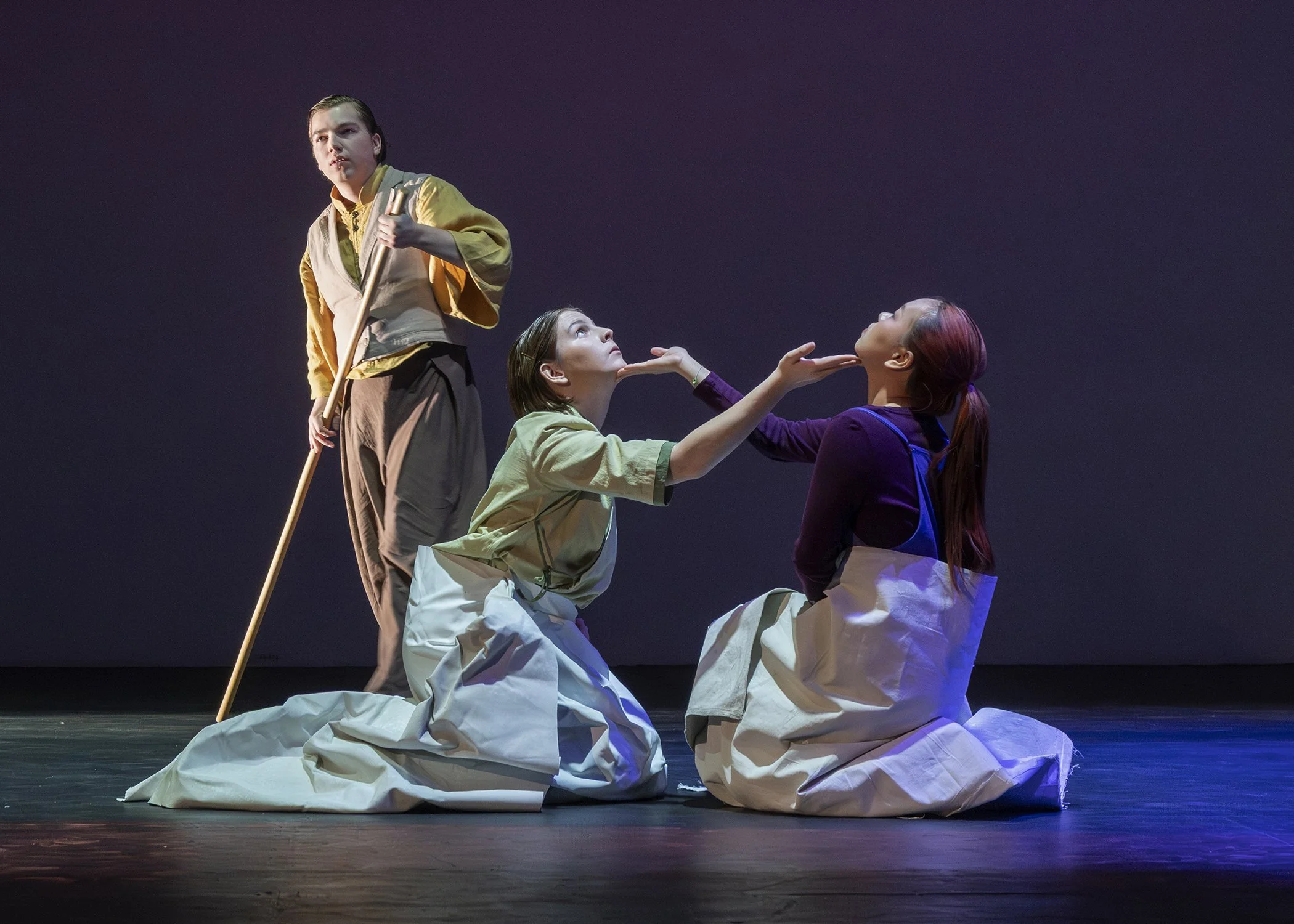
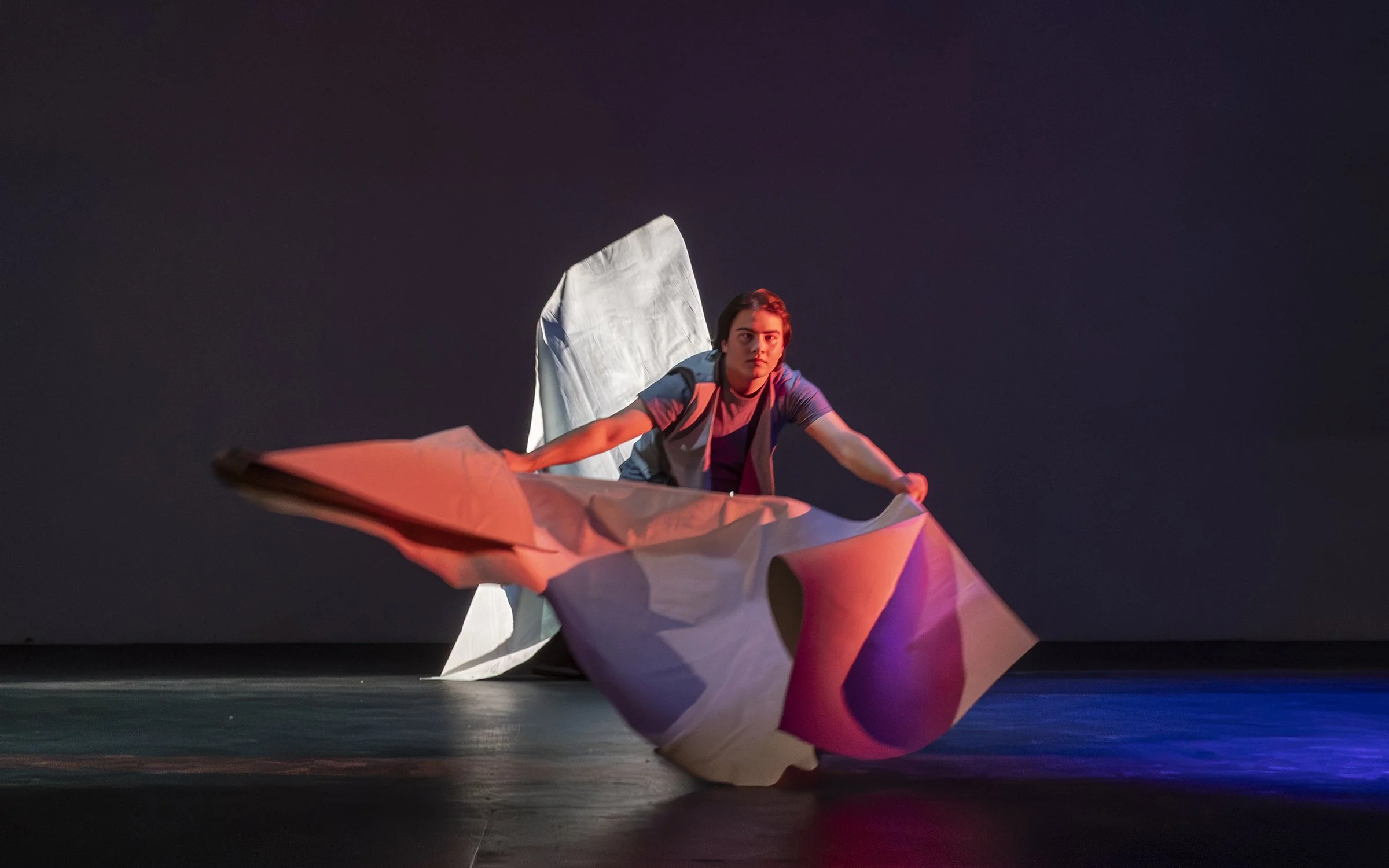
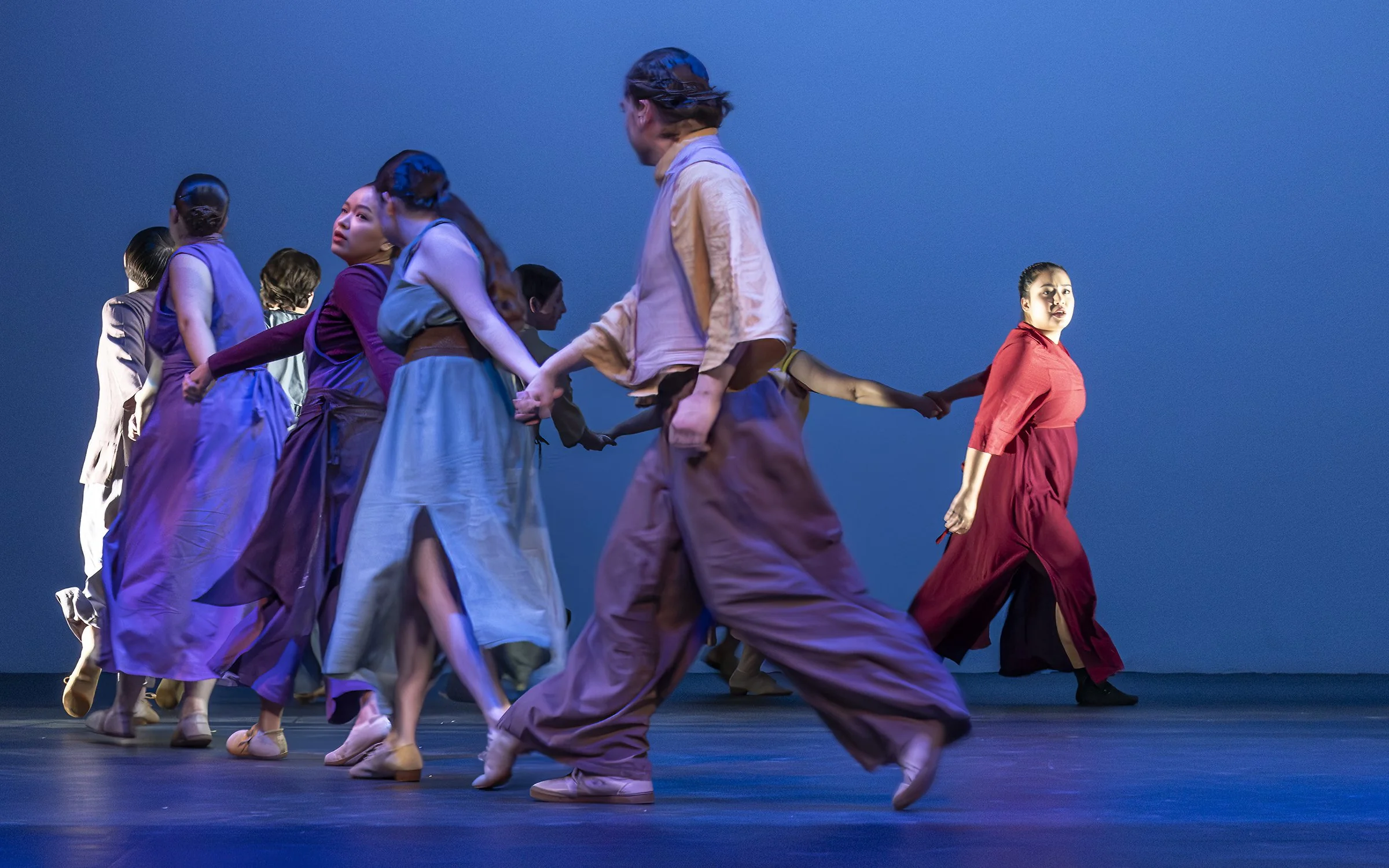
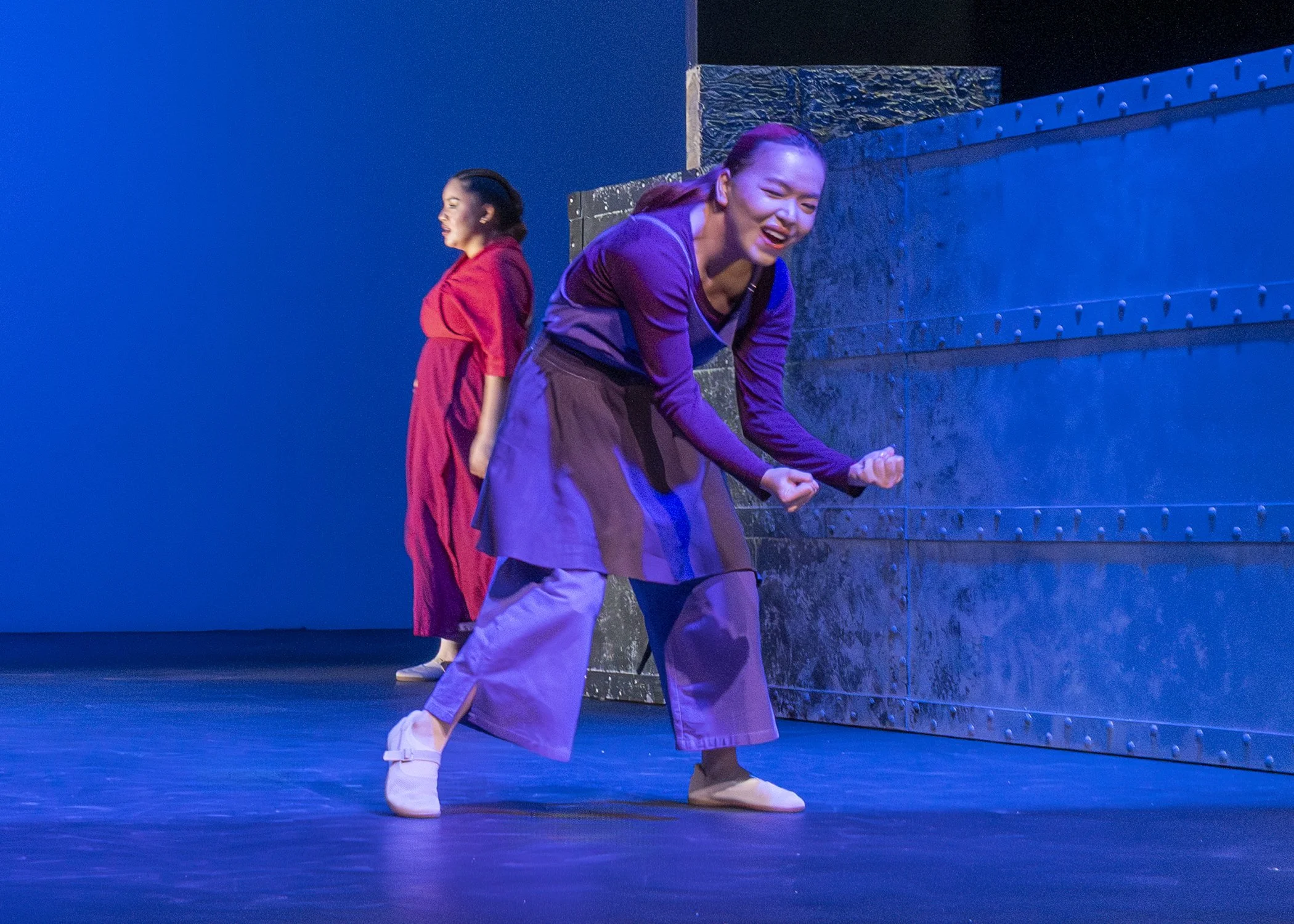
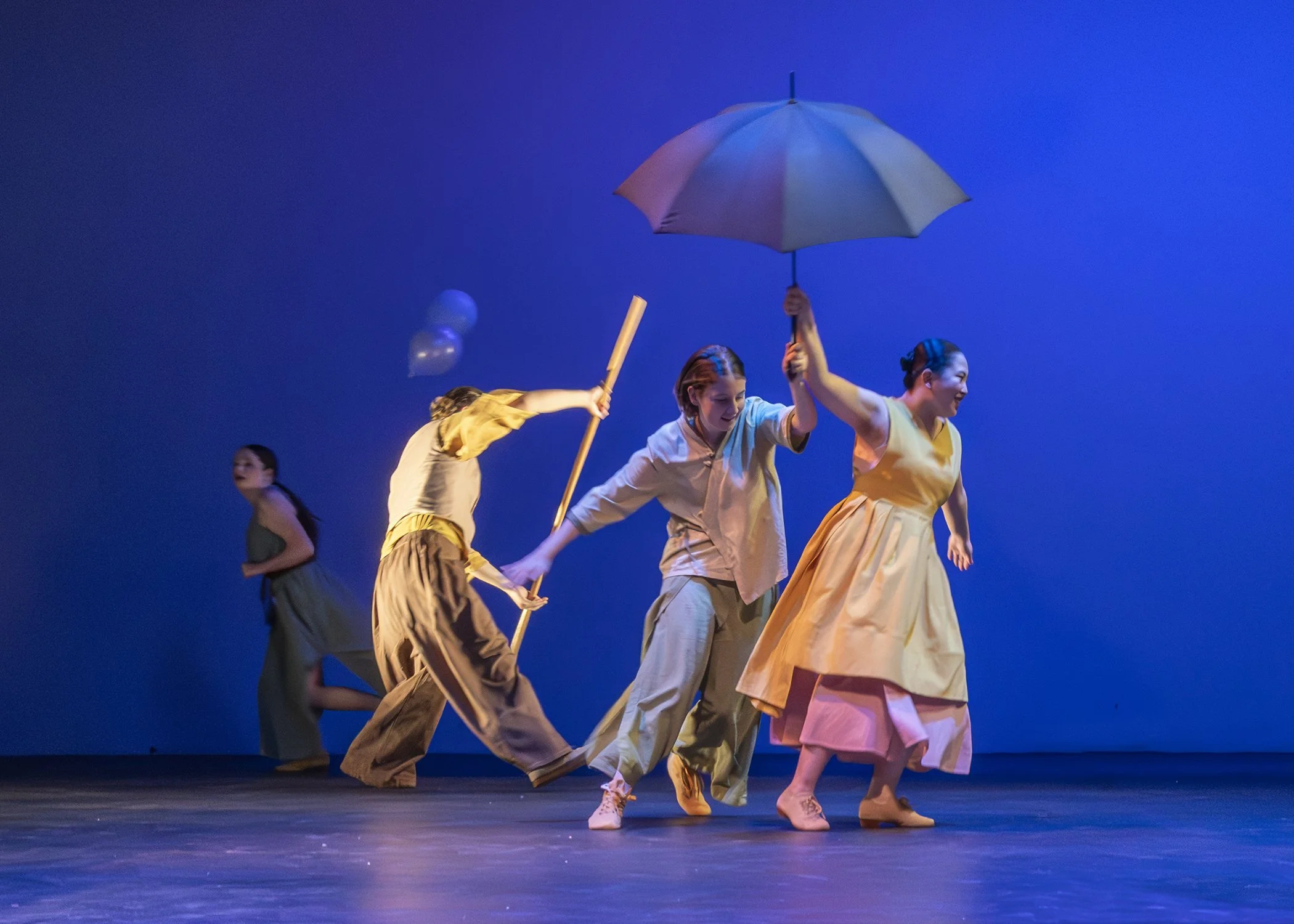
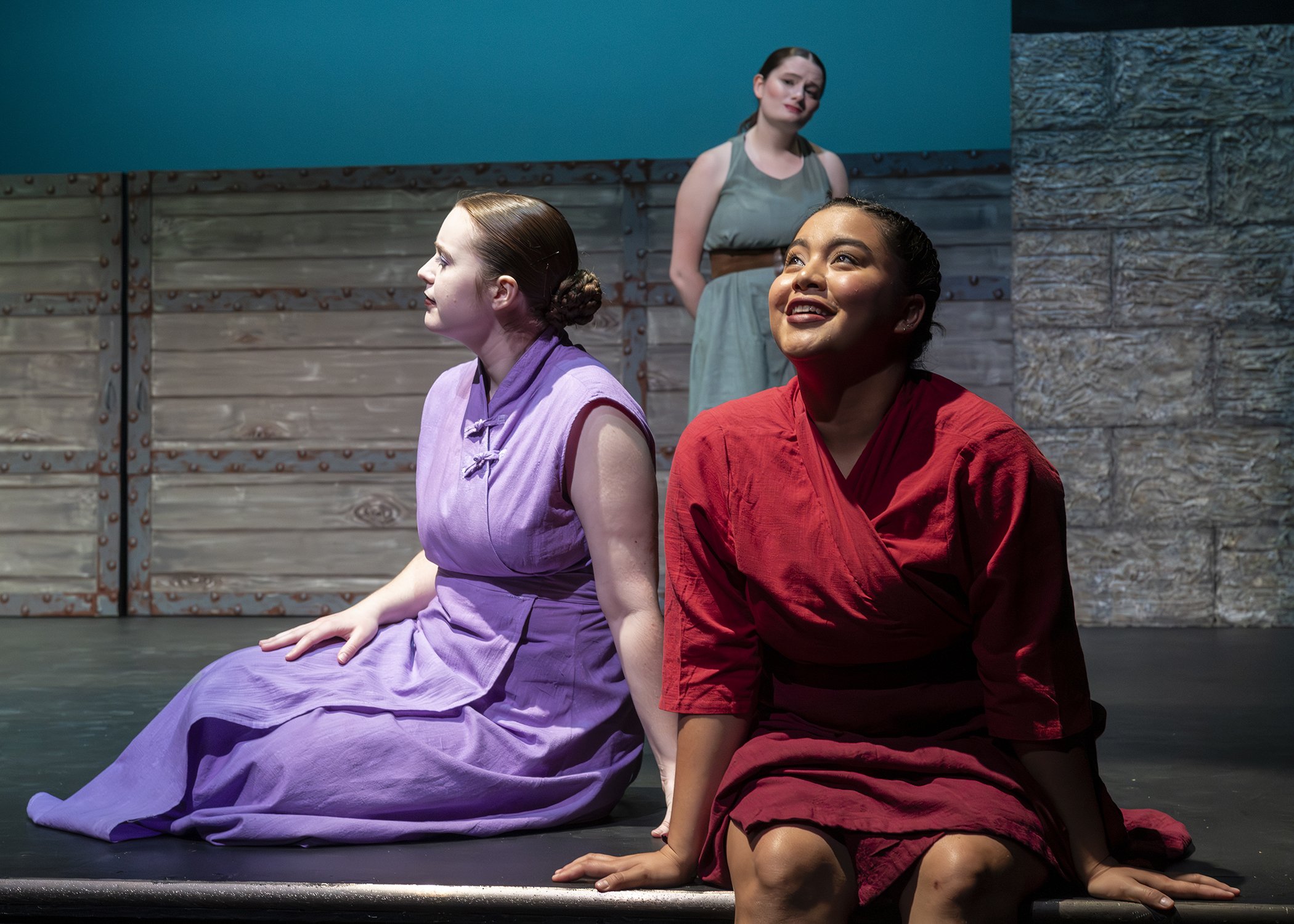
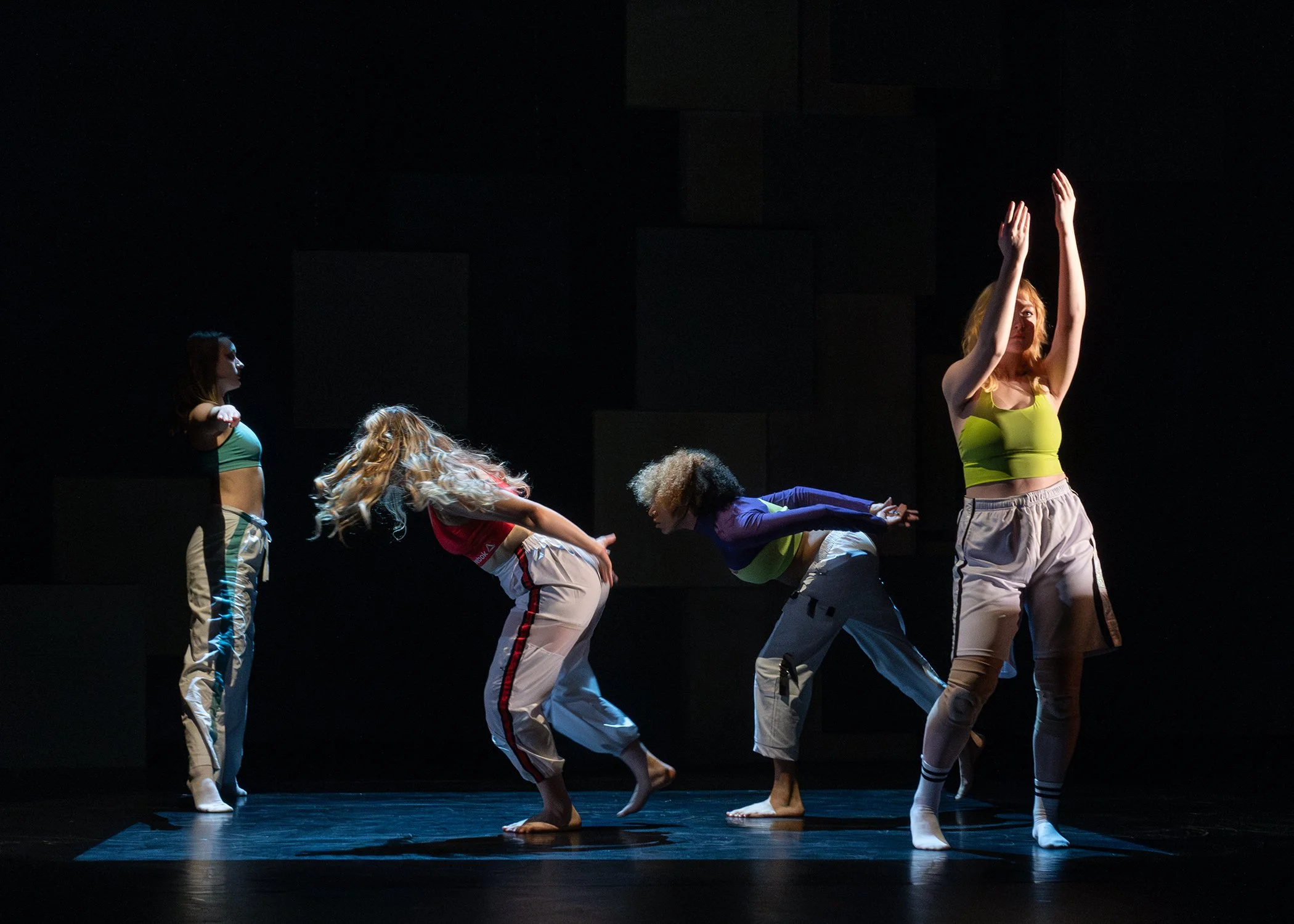
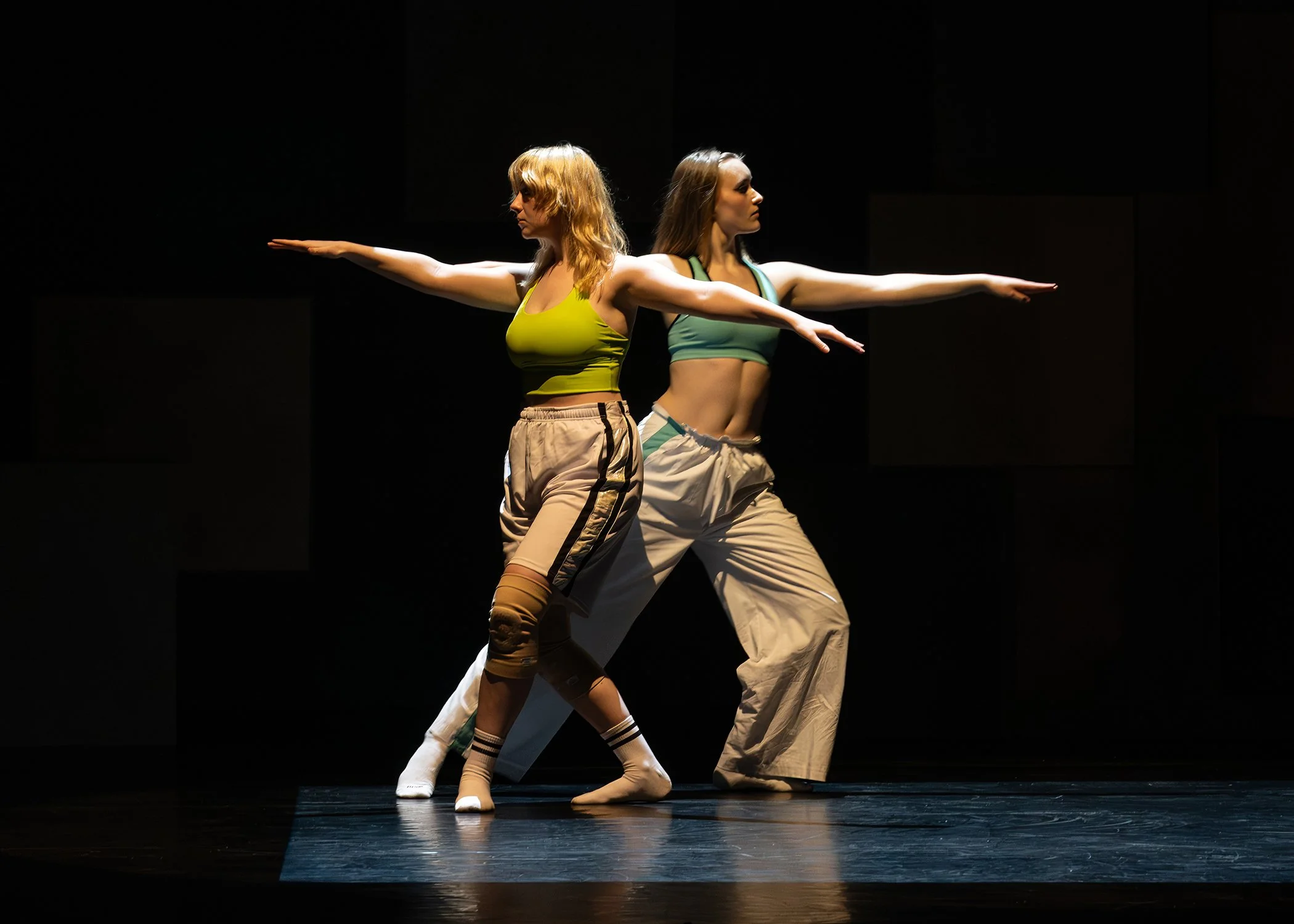
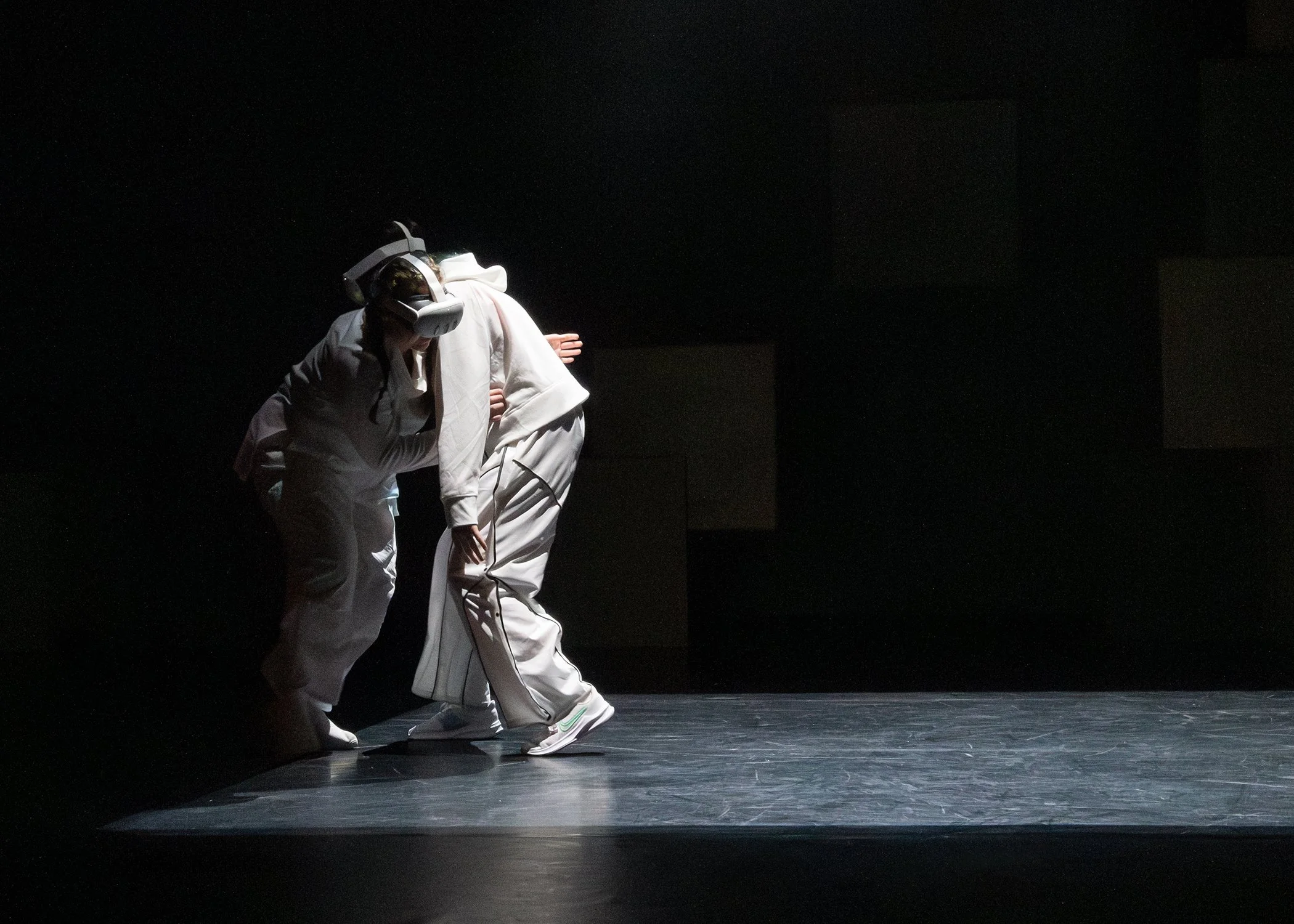
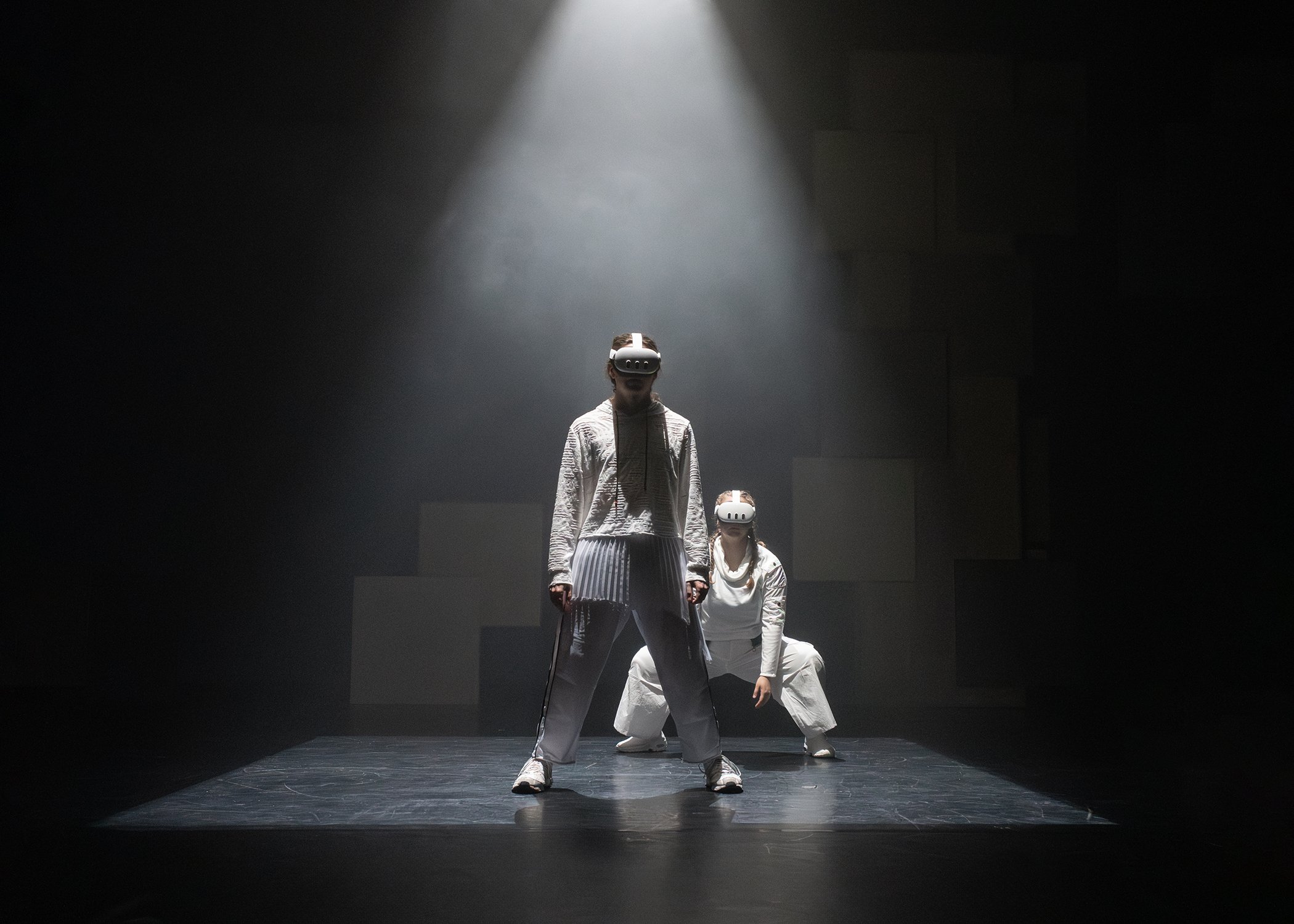
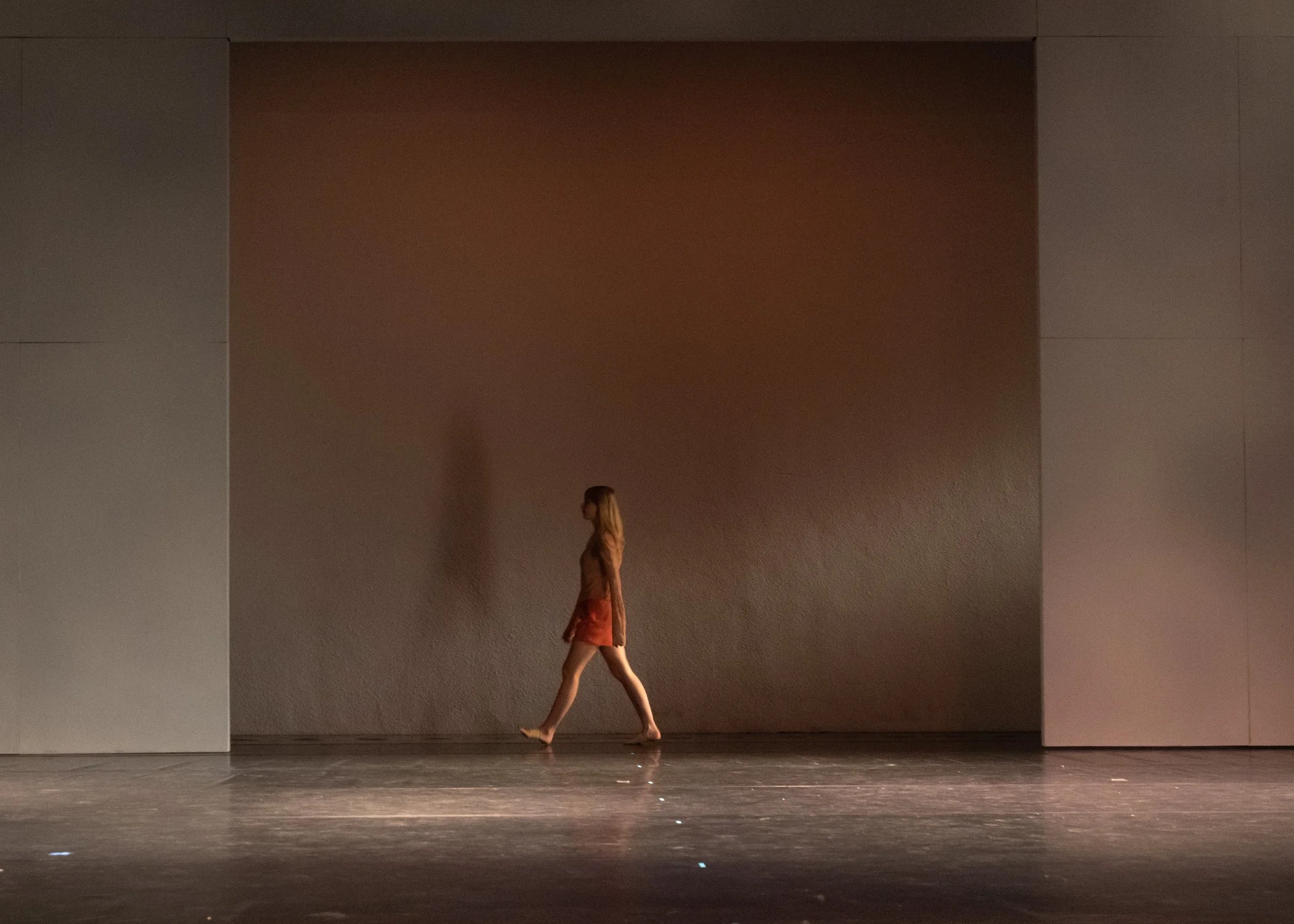
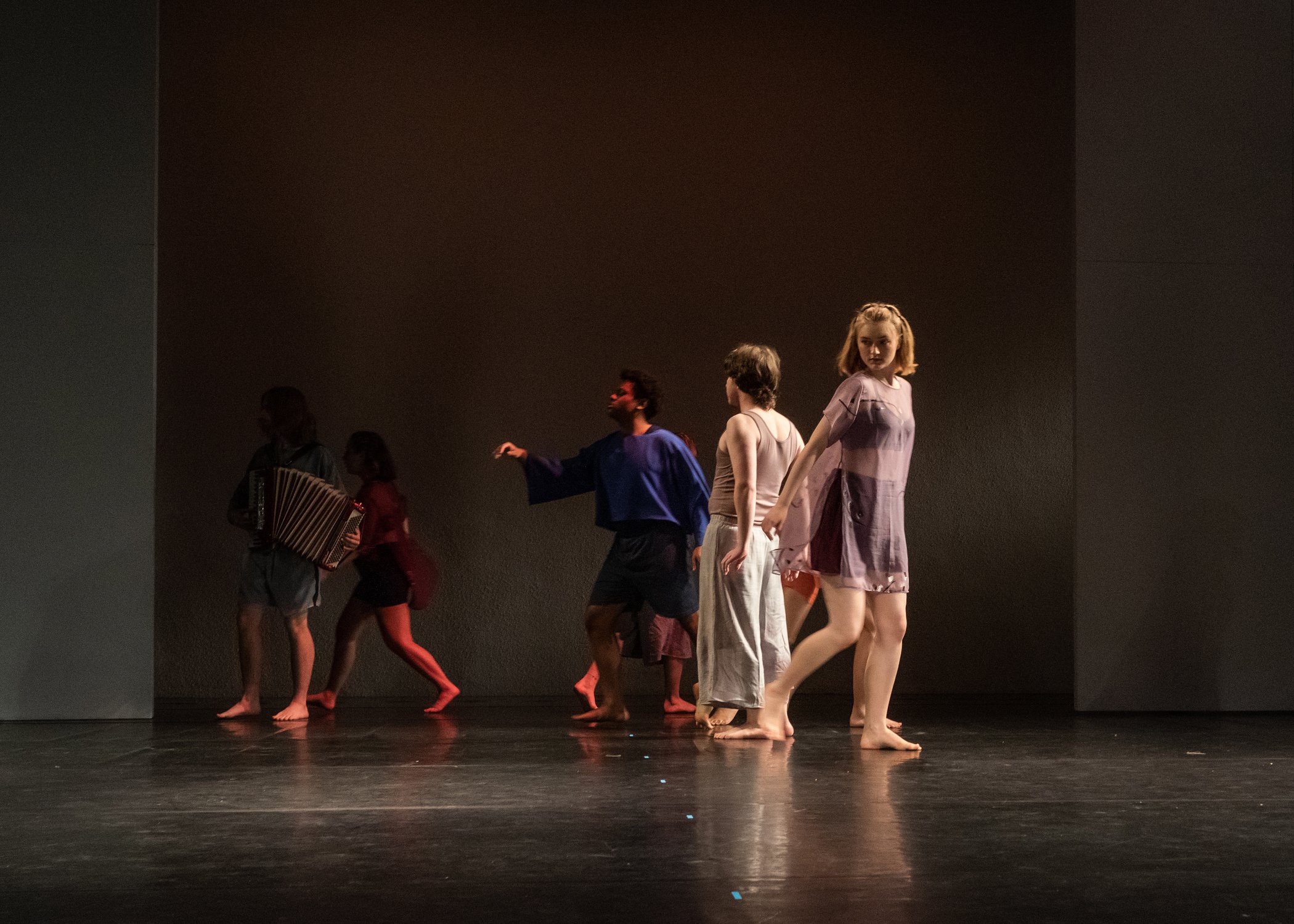
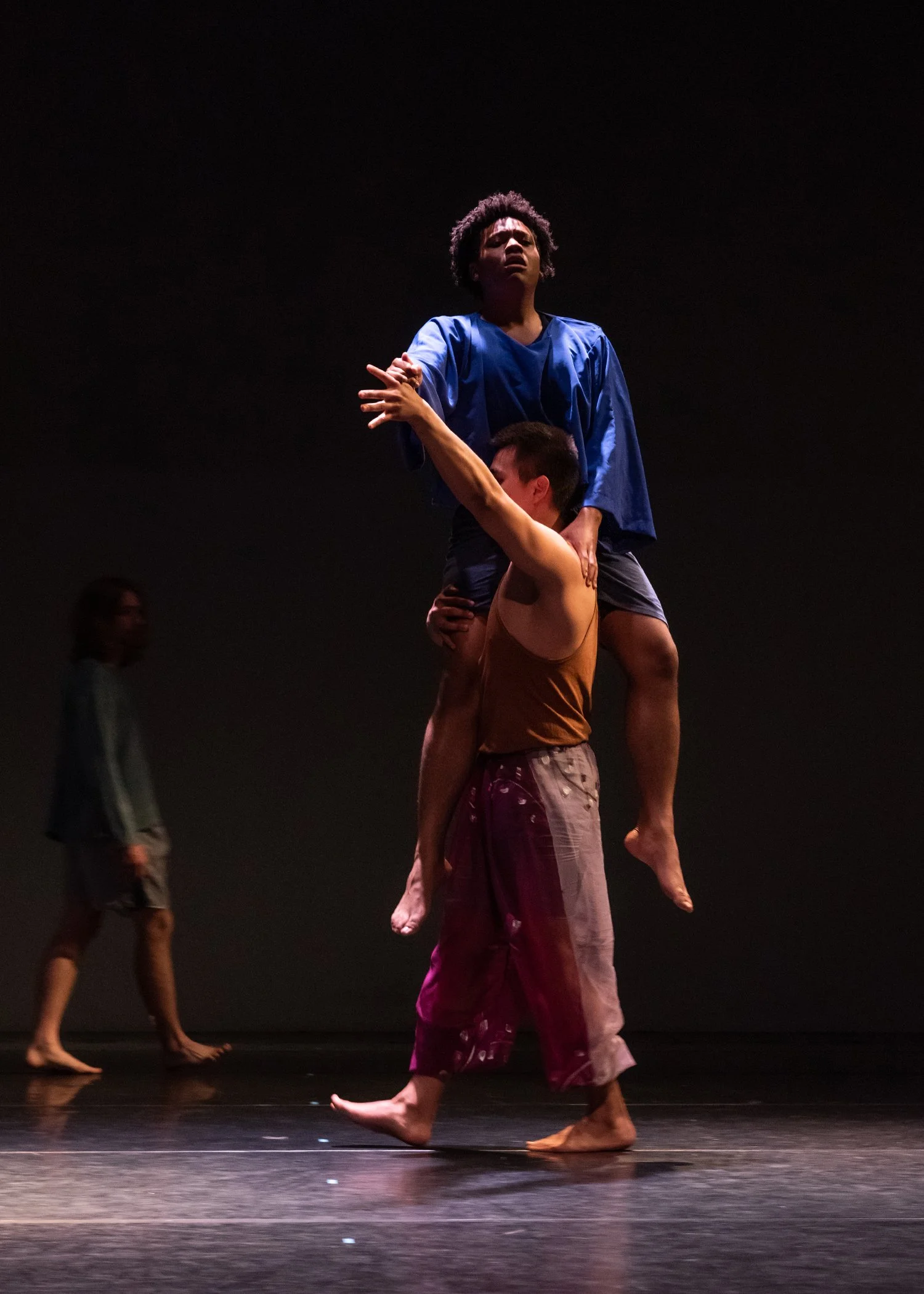
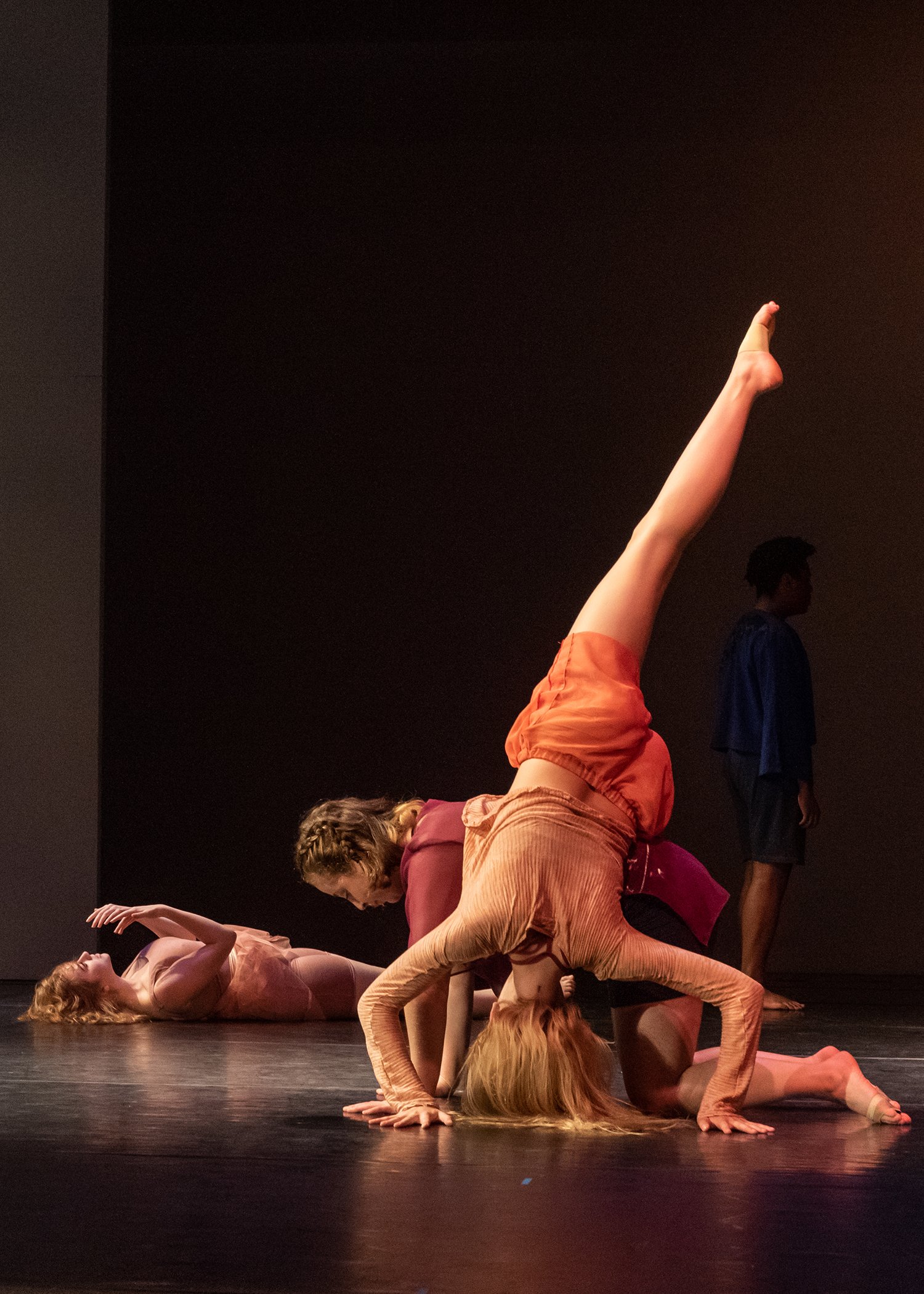
all photos from choreographed student productions at Lawrence university. photo credit: ken cobb